Your prescription is only half the story: what an optician measures
Pupillary distance, segment height, pantoscopic tilt and wrap: the measurements that turn a prescription into glasses that actually work.
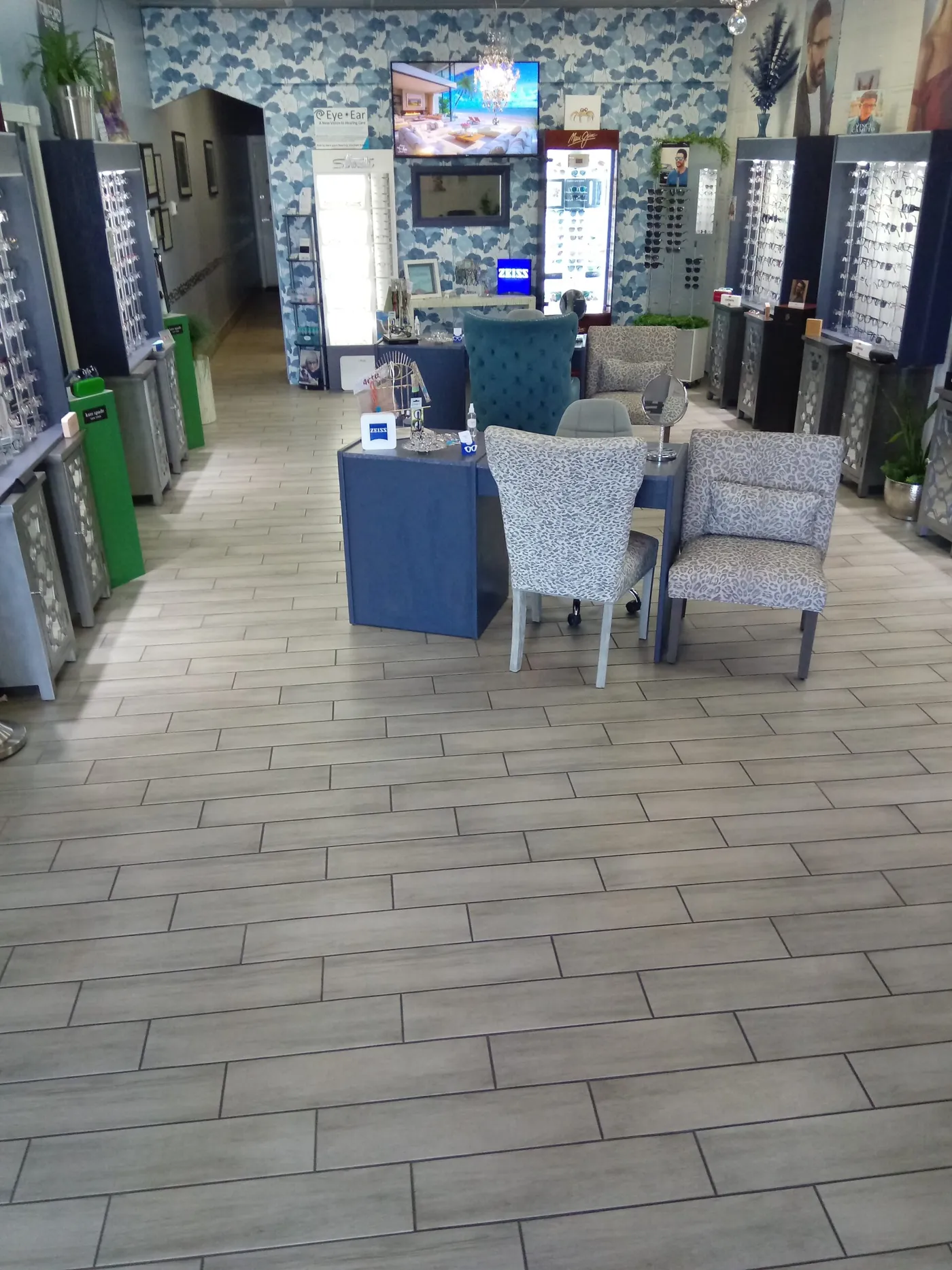
Your prescription tells us how strong the lenses need to be. It does not tell us where to put that power. That part happens at our fitting table.
Pupillary distance
The distance from the center of your nose to each pupil, measured for each eye separately. It decides where the optical center of each lens goes. Small errors here cause eye strain, especially with strong prescriptions.
Segment or fitting height
For progressives and bifocals, how far the pupil sits above the bottom of the lens in your chosen frame. This is the measurement behind most blurry progressive complaints.
Tilt, wrap and distance
How far the frame tilts forward, how much it curves around your face, and how far the lens sits from your eye. Freeform lenses use these numbers to fine-tune the design for you.
Why online glasses struggle
A website can collect your prescription. It cannot see how a frame sits on your face. For a mild single-vision prescription that may be fine. For progressives and strong prescriptions, it is the difference between glasses you tolerate and glasses you forget you are wearing.
Because our lab is on site, the person who measures you is close to the person who makes your lenses. Usually it is the same small team.