Best sunglasses for Phoenix: protecting your eyes at 115 degrees
What makes a good pair of sunglasses in Phoenix: full UV protection, polarization, the right tint, wraparound coverage and frames that survive a desert summer.

The best sunglasses for Phoenix block 100 percent of UV light, cut glare with polarized lenses, and cover enough of your eye that sun cannot sneak in around the sides. After that, the right tint and a frame that holds up to desert heat make the difference between a pair you tolerate and a pair you reach for every morning. Here is how we help people choose them at our counter in Biltmore Plaza.
What should you look for in sunglasses for Arizona sun?
Start with UV protection, because it is the part you cannot see. The American Academy of Ophthalmology recommends sunglasses that block 99 to 100 percent of UVA and UVB light, and links long-term UV exposure to cataracts and growths on the eye. A label that says "UV400" or "100% UV protection" is what you want.
The catch is that darkness tells you nothing about UV. A very dark cheap lens with no UV filter can actually be worse than wearing nothing, because your pupils open wider behind the dark tint and let more UV in. A lighter lens with full UV blocking is the safer choice. Every sun lens we make carries full UV protection, so that question is settled before we talk about anything else.
Polarized lenses: the Phoenix driver's lens
Valley glare is not just the sun overhead. It is the windshield of the car ahead of you on the 51, the white concrete in a parking lot at noon, the pool in the backyard. That reflected light bounces off flat surfaces in a horizontal direction, and polarized lenses are built to block it.
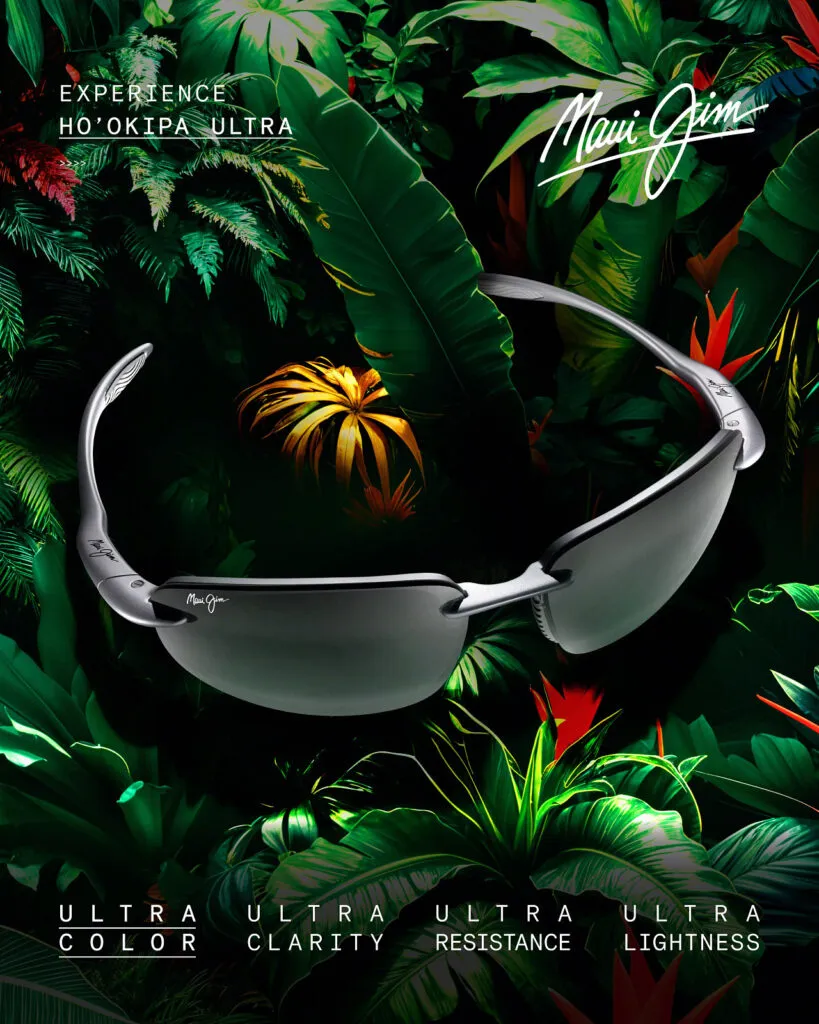
We see this every week: someone tries on a polarized pair, steps outside the shop, looks across the Biltmore Plaza parking lot and says "oh." Colors look richer, squinting stops, and the eyes relax. For driving, golf and anything on the water, polarized is the lens to beat. Maui Jim builds its whole line around polarization, and we make Maui Jim lenses in your prescription.
One small trade-off: polarized lenses can make some phone screens and car dashboard displays look dim or patchy at certain angles. Most people barely notice, but if you fly or rely on a particular display, mention it and we will talk through options.
Which lens color works best in the desert?
Tint is about comfort and contrast, not protection, so pick it for how you spend your time outside.
- Gray: the most neutral. Colors stay true, and it is the darkest-feeling option for bright midday sun. A good default for driving.
- Brown, amber or copper: boost contrast and warm the view. Golfers like them for reading greens, and they help on trails where you want to see rocks and ruts clearly.
- Green: a middle ground with good contrast and fairly natural color.
- Mirror coatings: reflect some extra light off the front of the lens. Useful for very bright conditions, and they look sharp, but the tint underneath still does most of the work.
If you go in and out all day and only want one pair, a light-adaptive lens like ZEISS PhotoFusion X darkens outdoors and clears inside. Keep in mind that most windshields block the UV that triggers them, so they darken only partly in the car. We covered that trade-off in our post on polarized vs photochromic lenses.
Coverage: why frame shape matters here
A pair of tiny fashion lenses can look great and still leave your eyes exposed. Light comes in over the top, around the sides and up from the pavement. In Phoenix, with sun on hot reflective surfaces most of the year, that stray light adds up.
- Size: lenses large enough to cover your brow line down to the top of your cheek.
- Wrap: a curved frame blocks light from the sides. Sport wraps are the extreme version, but plenty of everyday styles have a gentle wrap.
- Fit close to the face: the nearer the lens sits to your eye, the less light gets around it. A proper adjustment matters as much as the frame itself.
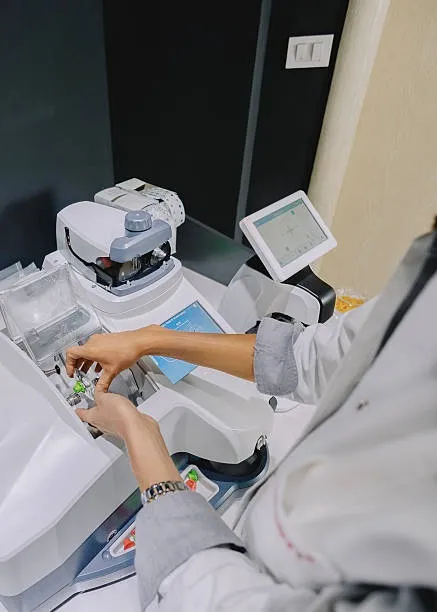
If you wear a prescription, high wrap frames take more care to make, because a curved lens changes how the prescription behaves. That is part of what we do in the lab, and it is one reason we choose the frame and lens together.
Sunglasses and 115-degree heat
Summer is hard on eyewear, not just eyes. The most common damage we see after a Phoenix summer comes from one habit: leaving glasses on the dashboard or in a closed car. Heat like that can crack or craze anti-reflective coatings, loosen lenses and warp plastic frames.
- Use a hard case and keep it out of direct sun, or take your sunglasses inside with you.
- Consider the frame material. Titanium and stainless frames hold their shape well in heat. Silhouette, OVVO and Titanflex are light and stable. Acetate frames are comfortable and beautiful, but they can loosen in high heat and may need an occasional adjustment.
- Rinse before you wipe. Desert dust is abrasive. Rinse with water and a drop of dish soap, then dry with a clean microfiber cloth, rather than rubbing grit across the lens with your shirt.
If a pair has gone loose or crooked over the summer, bring it in. Most adjustments take a few minutes.
Do you need prescription sunglasses?
If you wear glasses to see clearly at a distance, yes. Squinting through non-prescription sunglasses while driving the Loop 101 is not a good plan, and clip-ons or wearing contacts are not right for everyone. A dedicated prescription sun pair is often the glasses people in Phoenix, Arcadia and Scottsdale wear most.
Progressive wearers can get progressive sunglasses too, so you can read your phone or a menu on a patio without swapping pairs. We also make magnetic sun clips for some frames, which work well for people who want one frame and a quick option for the car.
If you notice sudden changes in your vision, flashes of light, or eye pain, sunglasses are not the answer. See an eye doctor promptly.
Try them on at Biltmore Plaza
The easiest way to choose is to try several lens colors and frames outside in real Phoenix sun. Walk in to Tager Optical at the northwest corner of Biltmore Plaza, next to Safeway, with free parking out front. No appointment needed. Bring a current prescription from any eye doctor, or text a photo of it to (602) 799-1345 before you come and we will tell you what is possible for your Rx. Our visit page has hours and directions.